


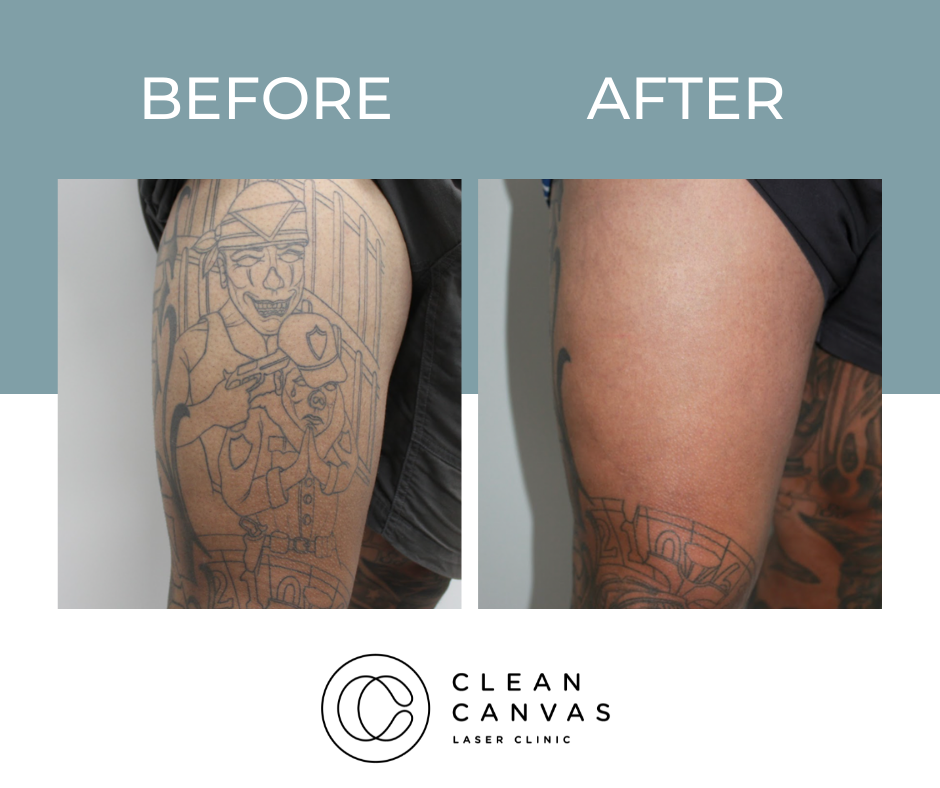
Tattoos are a form of self-expression, but sometimes life changes, and the once-loved ink becomes a regret. Thankfully, tattoo removal technology has advanced significantly, offering a variety of options to help you reclaim your skin. Here's a breakdown of common methods and their costs:
1. Laser Tattoo Removal
How it works: Laser treatments target the tattoo ink, breaking it down into smaller particles that are then absorbed by the body.
Cost: Expect to pay between $200 - $500 per treatment session, with the number of sessions required varying based on tattoo size, color, and ink type.
Pros: Highly effective, particularly on darker ink.
Cons: Multiple sessions are often necessary, making it a time-consuming and expensive process. Pain can be significant, and some scarring is possible.
2. Intense Pulsed Light (IPL)
How it works: Similar to laser treatment, but uses broader wavelengths of light to target a wider range of ink colors.
Cost: Comparable to laser removal, typically ranging from $200 - $500 per session.
Pros: Can treat a wider range of colors than laser, including lighter colors.
Cons: May not be as effective as laser, particularly on darker ink. Multiple sessions are still required, and pain levels are similar.
3. Surgical Excision
How it works: A surgical procedure involves physically removing the tattoo.
Cost: Can range from $500 to $2000 depending on the size and location of the tattoo.
Pros: Good for smaller tattoos and can remove the tattoo completely in one session.
Cons: Can leave a scar, more invasive, and can be expensive.
4. Dermabrasion
How it works: Uses a rotating tool to remove the top layer of skin, including the tattoo ink.
Cost: Typically $500 - $1000 per session.
Pros: Can be effective for some tattoo types.
Cons: Can be painful and may leave scars.
5. Salabrasion
How it works: Uses a salt solution to exfoliate the skin and remove the tattoo ink.
Cost: Usually $100 - $300 per session.
Pros: Less invasive than dermabrasion.
Cons: May not be as effective as other methods.
Remember:
Consult a reputable dermatologist or plastic surgeon.
Be realistic about the process. Tattoo removal takes time and patience.
Carefully consider the costs and the potential for scarring.
Ultimately, the best tattoo removal method for you will depend on your individual needs and preferences. Consult with a qualified professional to determine the best course of action.
0 comments:
Post a Comment